Gambling’s social dynamics How play affects relationships and community ties
Understanding Gambling as a Social Activity
Gambling is often perceived as a solitary endeavor, but its social dynamics reveal a much richer tapestry of interaction. When individuals engage in gambling, whether at a casino, online, or in private gatherings, they are frequently sharing an experience that can foster bonds among participants. This shared experience becomes a social catalyst, creating opportunities for conversation, camaraderie, and even competition. The thrill of the game is often heightened when surrounded by others who share the same passion. For instance, you might find yourself intrigued by live gaming options like https://gatesofolympusroulette.live/ that offer an engaging multiplayer environment.
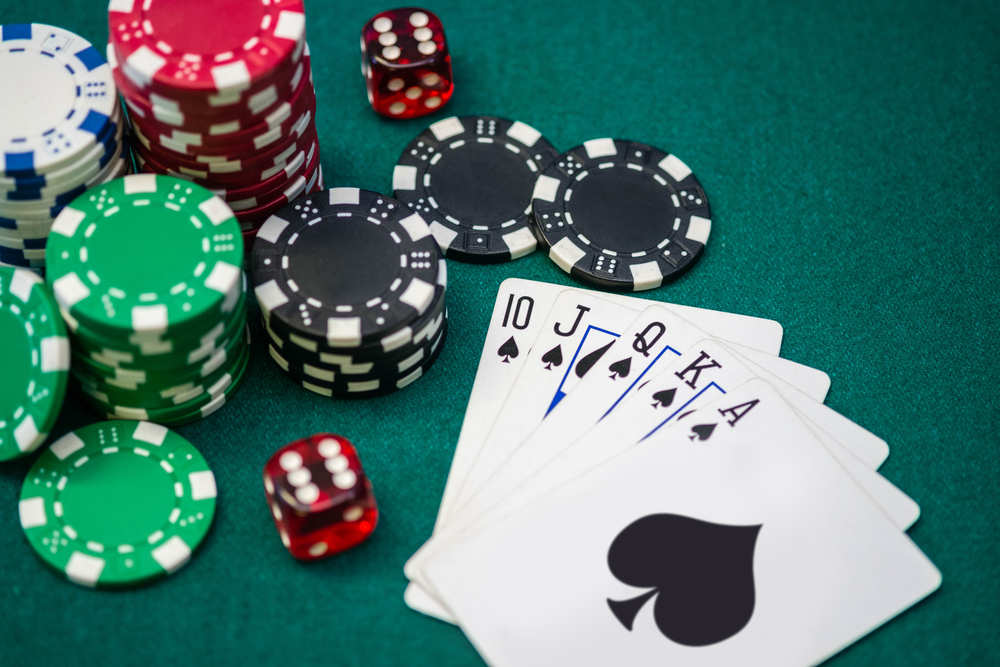
The social aspect of gambling can enhance relationships significantly. Friends and family members may gather to enjoy games together, turning what could be a mundane evening into a lively social occasion. The laughter, discussions about strategies, and moments of suspense create memories that strengthen relationships. Furthermore, the experience can serve as a bonding ritual, reinforcing connections between individuals who partake in gambling as a group.
Moreover, the communal nature of gambling extends beyond personal circles. Public gambling events, such as poker tournaments and casino nights, attract a diverse crowd, creating a melting pot of social interactions. These events can foster community spirit, as individuals come together with a common interest, leading to new friendships and networks. The social dynamics of gambling thus have profound implications for enhancing relationships within various contexts.
The Impact of Gambling on Family Dynamics
Family dynamics can be intricately affected by gambling behaviors. For families where gambling is a shared activity, it can serve as a source of entertainment and bonding. Parents may introduce their children to card games or board games that include a betting element, instilling a sense of friendly competition and teamwork. However, when gambling becomes problematic or excessive, it can lead to tension and conflict within the family unit.
The dual nature of gambling in family contexts highlights the importance of moderation. Healthy gambling habits can foster engagement and positive interactions among family members, while harmful habits can create feelings of distrust and resentment. For example, if one family member develops a gambling addiction, it can disrupt family cohesion, causing financial strain and emotional distress. Open communication about gambling habits is essential to maintain a healthy family dynamic.
To mitigate negative impacts, families can establish boundaries and guidelines surrounding gambling. This may include setting limits on spending or choosing to participate only in specific types of games that promote inclusiveness rather than exclusion. By doing so, families can enjoy the social dynamics of gambling without compromising their relationships, ensuring that gambling remains a fun and engaging activity rather than a source of division.
Community and Gambling: The Local Economy
Gambling does not just influence interpersonal relationships; it also has significant implications for community ties and local economies. Casinos and betting establishments often serve as community hubs, attracting visitors and creating jobs for local residents. This influx of people can lead to increased revenue for local businesses, such as restaurants, hotels, and shops, thereby bolstering the local economy.
Moreover, gambling establishments frequently engage in community outreach and sponsorship activities, which help strengthen community ties. Events organized by these establishments can promote local culture and create opportunities for residents to gather and interact. When a casino hosts a charity event or a local festival, it not only benefits the community financially but also fosters a sense of belonging among residents, thereby enhancing social cohesion.
However, the relationship between gambling and community is complex. While there are economic benefits, there can also be drawbacks, such as increased crime rates or social issues stemming from gambling addiction. It is essential for communities to engage in discussions about responsible gambling and to promote awareness regarding the potential risks. By striking a balance between enjoyment and responsibility, communities can create an environment where gambling contributes positively to social dynamics and community ties.
Gambling in Popular Media: Reflection and Influence
The portrayal of gambling in popular media profoundly affects societal perceptions and attitudes towards it. Movies, television shows, and online content often depict gambling as glamorous and thrilling, enticing viewers to engage in similar activities. These representations can glorify the social dynamics surrounding gambling, suggesting that it is not only a way to potentially win money but also a means to enhance social status and relationships.
Moreover, media narratives can shape public opinion, leading to the normalization of gambling as a social pastime. Popular shows often feature characters who bond over poker games or casino nights, embedding the idea that gambling is an acceptable and enjoyable social activity. This portrayal can influence real-life behaviors, encouraging individuals to partake in gambling as a bonding experience with friends and loved ones.
However, it is crucial to recognize that media representations can also overlook the darker sides of gambling. By emphasizing only the thrill and social elements, the potential risks and consequences of gambling may be downplayed. A responsible media approach should balance the excitement of gambling with acknowledgment of its challenges, encouraging viewers to engage in gambling activities that promote healthy social dynamics rather than exploitation or addiction.

Exploring Responsible Gambling Communities
In response to the complexities of gambling’s social dynamics, numerous organizations and communities have emerged to promote responsible gambling practices. These groups focus on educating the public about the potential dangers associated with gambling, advocating for policies that foster safe play. They provide resources for individuals and families affected by gambling addiction, offering support through counseling and community outreach programs.
Community-based programs often emphasize creating environments where gambling is seen as a form of entertainment rather than a means of financial gain. Initiatives may include workshops, informational campaigns, and support groups aimed at raising awareness about responsible gambling habits. By creating a culture of understanding and support, these communities foster healthier relationships around gambling practices.
Furthermore, responsible gambling communities encourage open dialogue about the social dynamics of gambling. By discussing both the enjoyable aspects and potential pitfalls, they create a space for individuals to share experiences and learn from one another. This collective effort not only enhances personal relationships but also strengthens community ties as people come together to support one another in navigating the complexities of gambling.